
Is Paul An Apostle?
Some question the apostleship of Paul, the persecutor of the church formerly know as Saul. This article examines scripture and history to answer those objections.
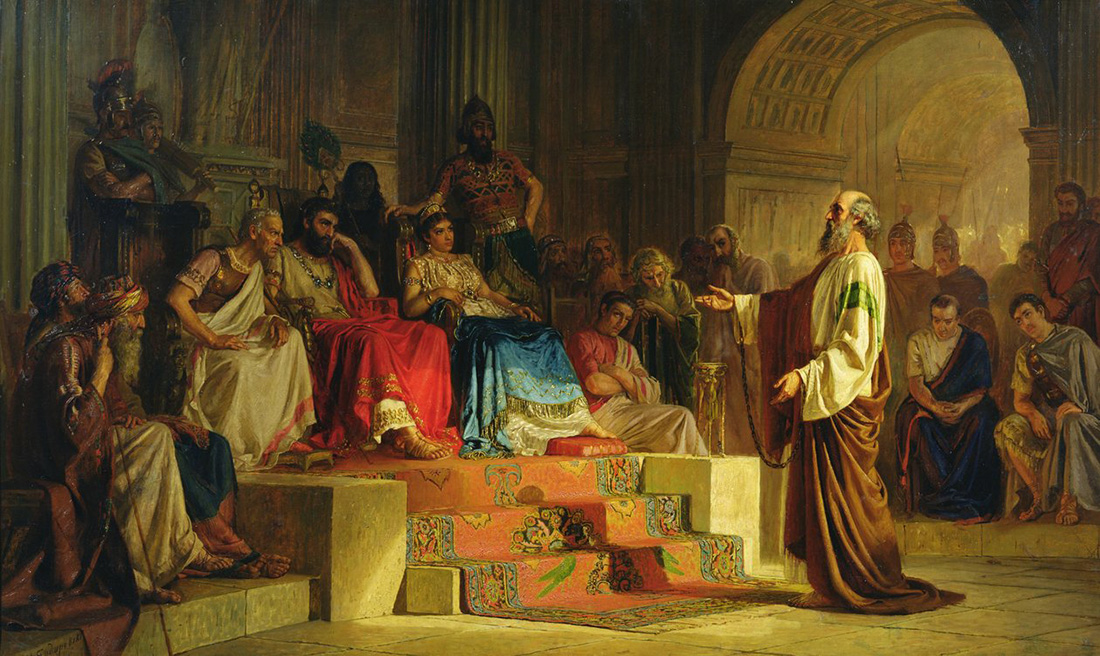
Luke records the conversion of Paul in the Book of Acts three times. First in his narrative (Act 9:1-22 AD34), then in Paul's own words as he gives his defense in the Temple (Acts 22:4-21) and to King Agrippa (Acts 26:6-20).
Luke authored both the Gospel of Luke (AD60) and the Book of Acts (AD61) as a two book series written to strengthen the faith of Theophilus (Luke 1:1-4, Acts 1:1-3).
Although Luke does not name himself in the text, the authorship of these books is not in doubt. The early church attributed the book to Luke (for example, see the writings of early christians like Irenaeus, Ignatius, Clement, and Tertullian). The oldest manuscripts bear the inscription "According to Luke." He was a Gentile physician and traveling companion of Paul, Silas, and Timothy (Acts 16:9-17 AD50).
In 2 Corinthians 12:12, Paul reminds the church there that he did the "signs of an Apostle" among them. Luke records many of Paul's miracles in Acts:
- Blinding Elymas the sorcerer: In Paphos (Acts 13:8-12).
- Healing a lame man: In Lystra (Acts 14:8-10).
- Casting out a demon: From a slave girl in Philippi (Acts 16:16-18).
- Extraordinary healings: Handkerchiefs or aprons touched by Paul healed the sick and cast out spirits in Ephesus (Acts 19:11-12).
- Raising the dead: Restoring Eutychus to life in Troas (Acts 20:10-12).
- Surviving a viper bite: On the island of Malta (Acts 28:5).
- Healing the sick: Curing Publius's father and others on Malta (Acts 28:8-9).
In his epistles, Paul claims to be an apostle, usually in his greetings (Romans, 1 Corinthians, 2 Corinthians, Galatians, Ephesians, Colossians, 1 & 2 Timothy, and Titus). He considered himself the least of the apostles because of his former persecution of the church (I Cor 15:8-10) and acknowledges the difference in the way he was chosen.
In Galatians 1:15-19, Paul records that he met with the Apostles Peter and James (the brother of John) in Jerusalem 3 years after his conversion. Luke describes this in Acts 9:26-28 (AD36). Luke also records (Acts 14:27-15:35 AD49) that Paul and Barnabas went from Antioch to Jerusalem to meet with the apostles and elders on the question of the salvation of the Gentiles, where they interacted with Peter and James the Less and carried the letter accepting the Gentiles back to the other churches. The letter refers to "our beloved Barnabas and Paul" (Acts 15:25).
In Galatians 2:11-14, Pauls also records that he rebuked the Apostle Peter personally in Antioch over the treatment of Gentile converts. In the final section of his last letter (2 Peter 3:15-18), the Apostle Peter calls Paul "our beloved brother" and references Paul's epistles (AD64).
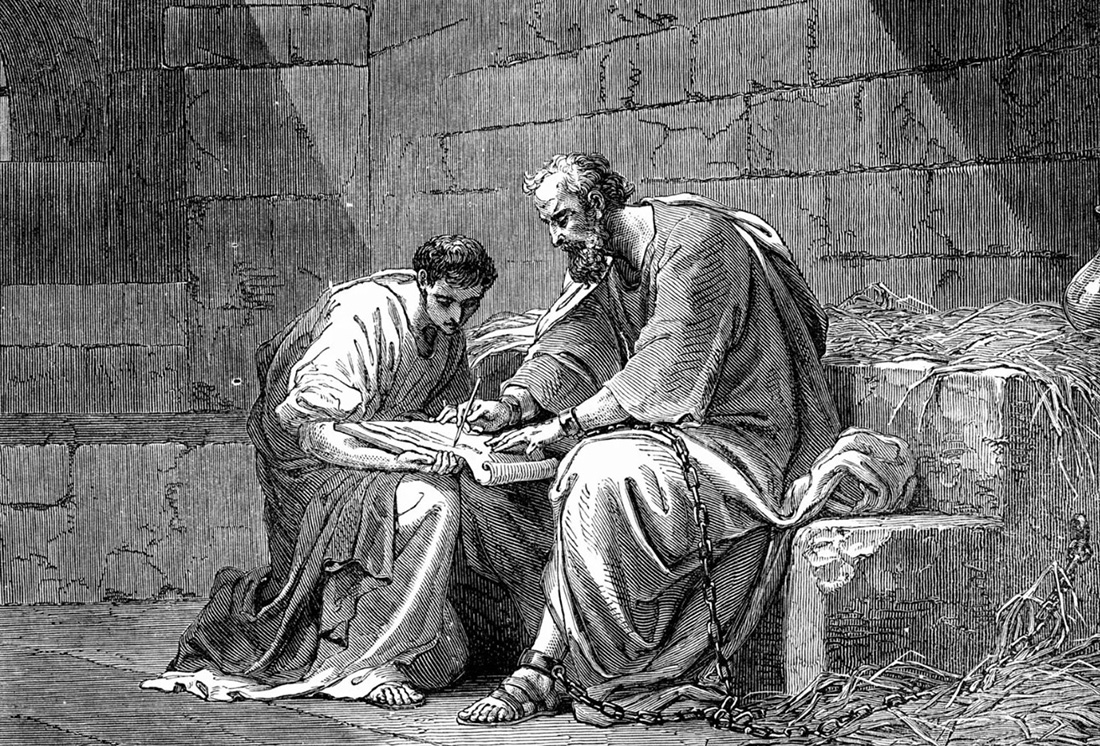
Paul suffered a life of persecution as an apostle, as did the others (2 Cor 11:23-33). He was imprisoned and (according to historical accounts) eventually beheaded by the Romans (AD64).
Conclusions
Luke and the Apostle Peter confirm Paul's apostleship in their writings, and indicate his acceptance by the Apostle James (the brother of John) and the Apostle James the Less, as well as the early churches.
To reject Paul's apostleship would mean rejecting also Peter's apostleship and Luke's gospel and account of the early church.
 More Bible Study Articles